“Join, or Die”
The snake entered colonial political imagery years before American independence, first through satire and then through an urgent appeal for cooperation.
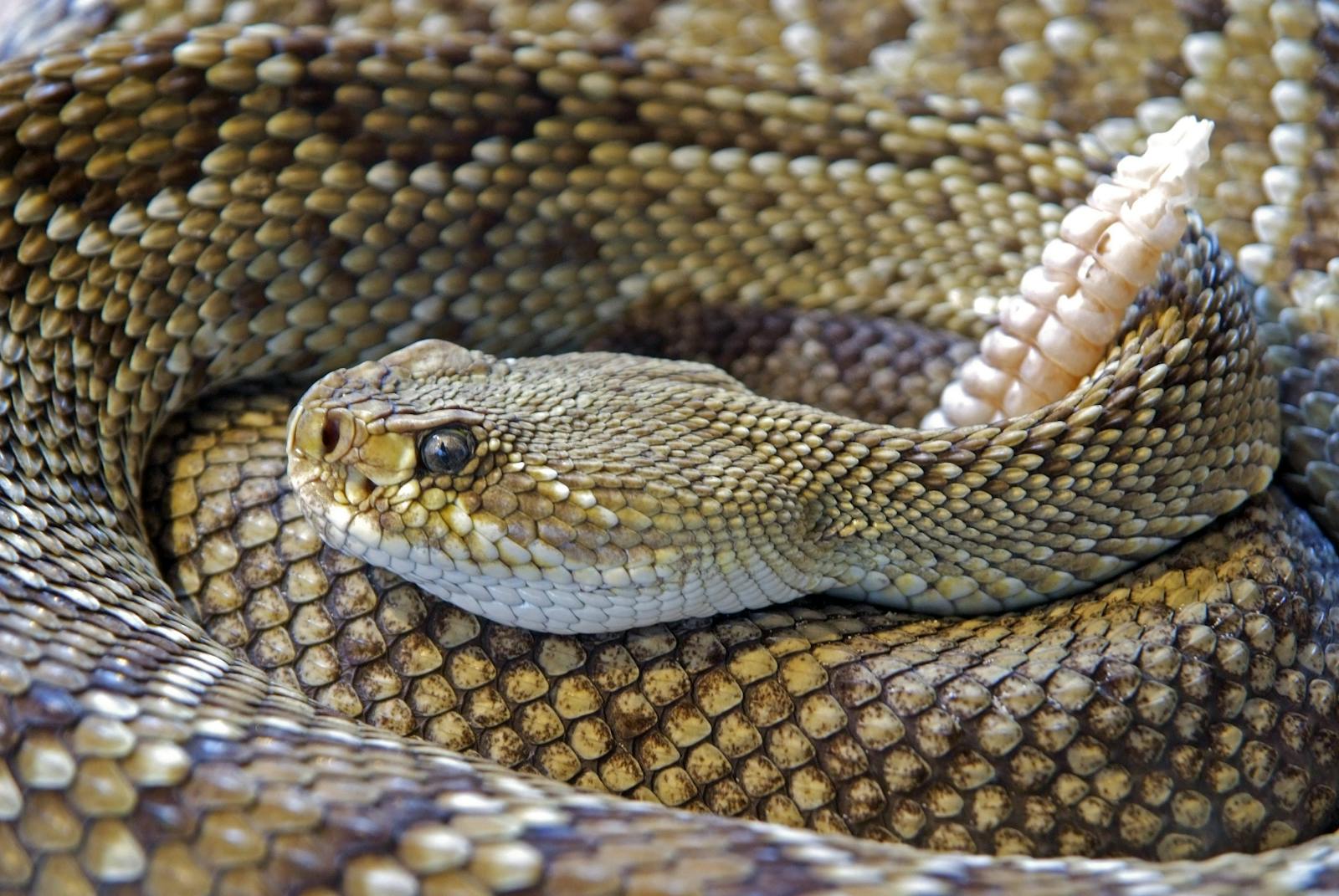
In 1751, Benjamin Franklin published a satirical commentary proposing that the colonies return Britain’s policy of transporting convicted people to America by sending rattlesnakes across the Atlantic. The piece drew upon the animal’s distinctly North American identity and its reputation as dangerous when disturbed.
Franklin returned to the snake in 1754 for a more serious purpose. A woodcut published in his newspaper depicted a snake divided into eight sections. Its labeled pieces represented colonial regions, with New England combined at the head and South Carolina placed at the tail. Beneath the image appeared the compact appeal “Join, or Die.”

The message did not originally call for separation from Britain. It supported cooperation among the colonies during the French and Indian War. Its visual logic also drew on a period belief that the pieces of a divided snake could return to life if reunited before sunset.
Newspapers across the colonies reprinted the design or created local variations. One version replaced the original wording with an appeal to unite and prevail. Through repeated publication, the divided snake became an accessible visual argument for shared action and a developing colonial identity.
From colonial unity to independence
A decade later, the established snake symbol could be adapted to a changing political dispute. Opposition to the Stamp Act of 1765 drew together colonists who objected to Parliament’s attempt to raise revenue and exercise greater control after the French and Indian War.
During debate over the policy, Isaac Barré rejected claims that Britain had established and sustained the colonies. He argued instead that settlers had endured hardship and government neglect. His description of the colonists as the “sons of liberty” provided a name later adopted by groups resisting British measures.
As that resistance intensified, Franklin’s segmented snake continued to stand for unity, but its context shifted toward independence. In 1774, Paul Revere incorporated a related image into a newspaper masthead, where the snake was shown confronting a British dragon. The older plea for cooperation had become part of a sharper visual language of political conflict.
The later coiled rattlesnake did not simply duplicate Franklin’s divided design. It transformed the broader symbolic tradition: the colonies were no longer pictured as separate pieces needing assembly, but as a vigilant creature prepared to defend itself if threatened.